
NetSuite configured for broadband — not retrofitted after the fact.
Your chart of accounts, entity structure, and project accounting should reflect how your business actually operates — not a generic template that requires workarounds from day one.
Most implementations are built for generic businesses. Yours isn't a generic business.
A consultant who implements NetSuite for a distribution company, a professional services firm, and then a broadband operator is bringing a generalist's toolkit to a specialist's problem. The configuration decisions that matter most — your chart of accounts structure, your entity hierarchy, your project accounting model, your fixed asset classification approach — are made early and are painful to change later.
Broadband operations have unique requirements that generic implementations routinely get wrong. ILECs need FCC Part 32 accounts. Construction-heavy operators need project accounting that handles capitalization correctly. Multi-entity holding companies need a subsidiary structure that supports clean intercompany eliminations. ISPs need billing integration that posts revenue to the right GL accounts automatically. These aren't edge cases — they're the core of how broadband operators run their finances.
Getting the implementation wrong means years of workarounds, manual reconciliation, and systems that technically work but don't actually serve the business. We've seen it. We fix it. We'd rather prevent it.
The decisions that matter most happen before anyone touches the keyboard.
Chart of Accounts
Most implementations copy a generic chart of accounts and tweak it. We build yours around the actual financial reporting requirements of your business — ILEC regulatory accounts, project-based capital expenditure categories, multi-entity intercompany structures. The chart of accounts determines everything downstream. Getting it wrong at implementation means years of workarounds.
Entity Structure
Broadband holding companies and multi-CLEC operators need a NetSuite entity structure that reflects how the business actually operates — parent companies, subsidiary entities, intercompany eliminations. We configure subsidiaries, legal entities, and intercompany relationships correctly from the start, not as an afterthought when consolidation doesn't work.
Project Accounting
Construction projects, BEAD-funded deployments, and infrastructure builds all require project accounting that tracks costs at the right level of granularity. We configure project types, WBS structures, project billing, and cost allocation rules around your actual project workflow — not a generic configuration that requires constant manual adjustment.
Fixed Asset Management
Broadband operators have thousands of fixed assets — ONTs, routers, towers, conduit, fiber cable. NetSuite's fixed asset module needs to be configured to handle the depreciation methods, asset classes, and capitalization thresholds specific to your business and your regulatory environment. We configure it correctly so assets depreciate properly from day one.
Integration-Ready Architecture
Every implementation we do is built to connect. The BSS/OSS integration isn't an afterthought — it's part of the design. That means field definitions that match the source data, custom records that support the integration data model, and workflows that don't break when the integration posts records automatically.
Purpose-built for broadband — right out of the gate.
Project to Asset
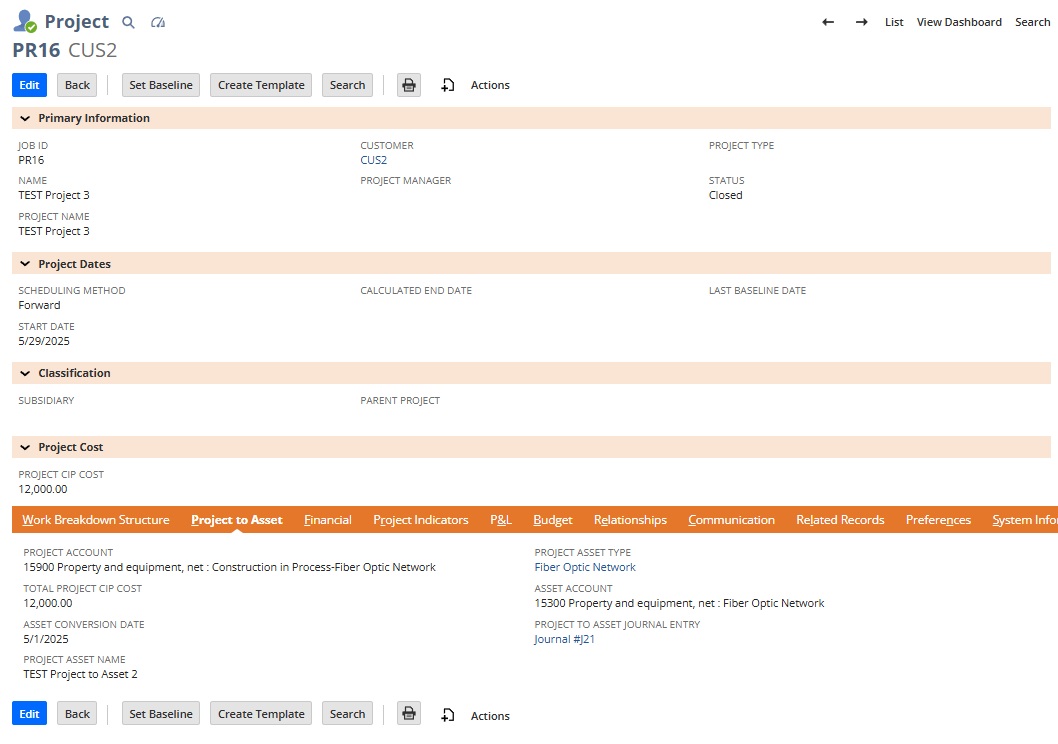
Construction projects in broadband routinely end up as capitalized infrastructure — fiber routes, conduit systems, towers, and network equipment. NetSuite's default workflow doesn't handle the transition from project costs to fixed assets cleanly. Project to Asset automates the capitalization process: project costs flow to the right asset classes, depreciation schedules start correctly, and the asset records are linked to the original project for full traceability. No manual journal entries. No spreadsheet-tracked capitalizations at year-end.
Part 32 Accounting
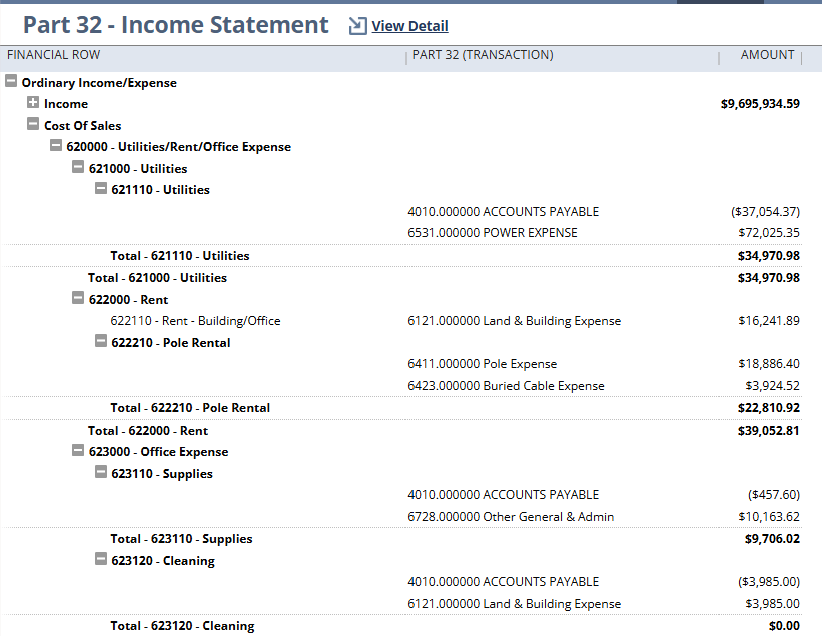
ILECs are required to maintain accounts in accordance with FCC Part 32 — a chart of accounts structure mandated for federal regulatory reporting. Standard NetSuite implementations don't support this. Most ILECs on NetSuite end up maintaining a parallel system or doing manual reclassification every period. Part 32 Accounting configures NetSuite natively to the Part 32 account structure, so regulatory reporting is a byproduct of normal accounting, not a separate exercise. This is the only NetSuite solution built specifically for FCC Part 32.
Talk to Us About Part 32 →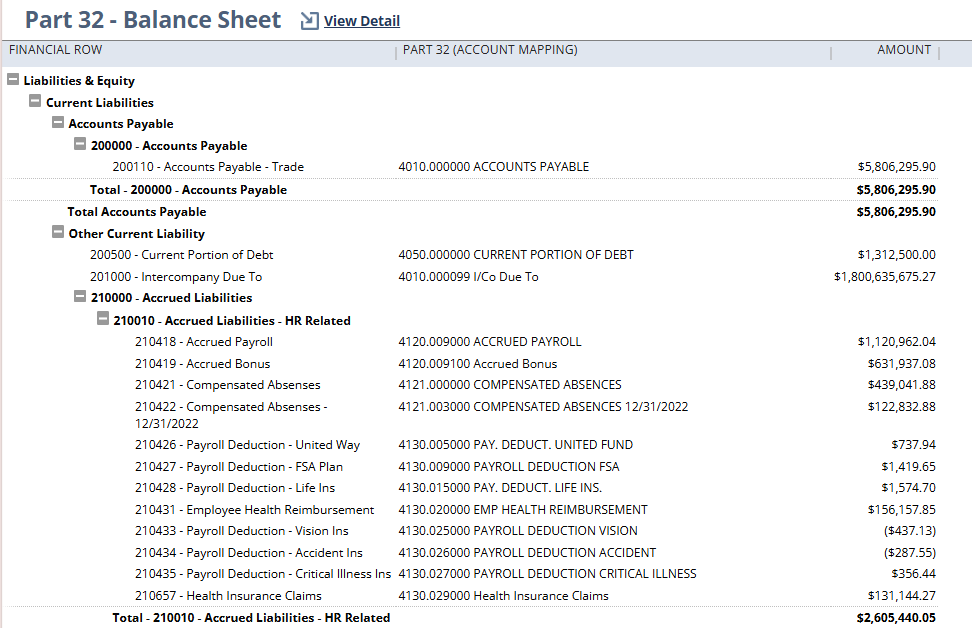
Shared Vendor Bill
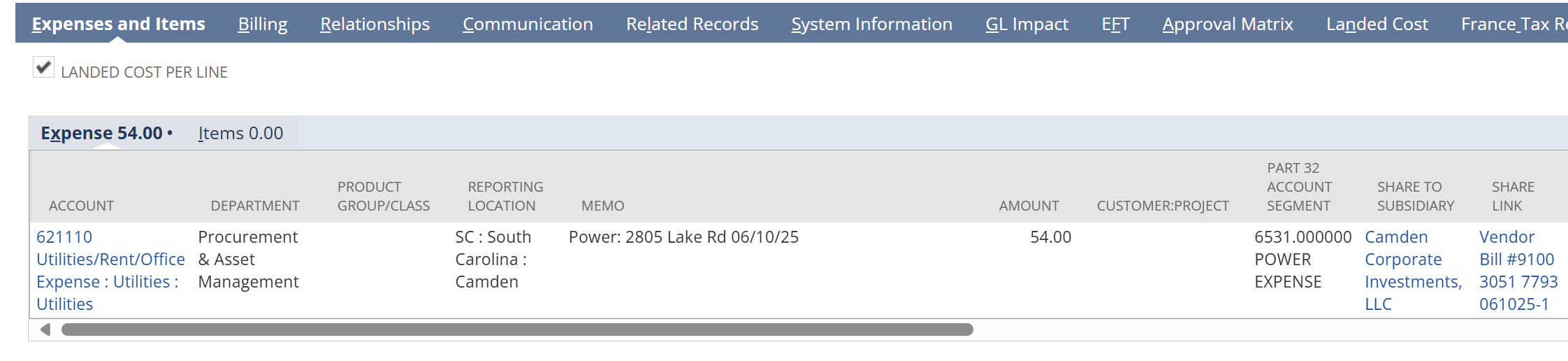
Multi-entity operators frequently receive vendor bills that need to be allocated across subsidiaries — shared infrastructure costs, corporate overhead allocations, intercompany service charges. NetSuite's standard intercompany functionality handles simple cases but breaks down when you need rule-based allocation across multiple entities in a single transaction. Shared Vendor Bill automates the split: one vendor bill, allocation rules defined by account, subsidiary, and percentage, and all the intercompany entries created automatically.
No surprises. No handoffs.
Structured
Fixed-scope implementation with defined deliverables and timeline. Best for operators with clear requirements who want cost certainty and a defined go-live date.
Flexible
Flexible engagement model that adapts to your organization's pace and priorities. Best for operators with complex requirements, ongoing optimization needs, or who are still working through their process design.
Already on NetSuite and something isn't right?
We work with operators who need a course correction just as often as greenfield implementations. Tell us where you are and we'll tell you what's possible. We respond within one business day.